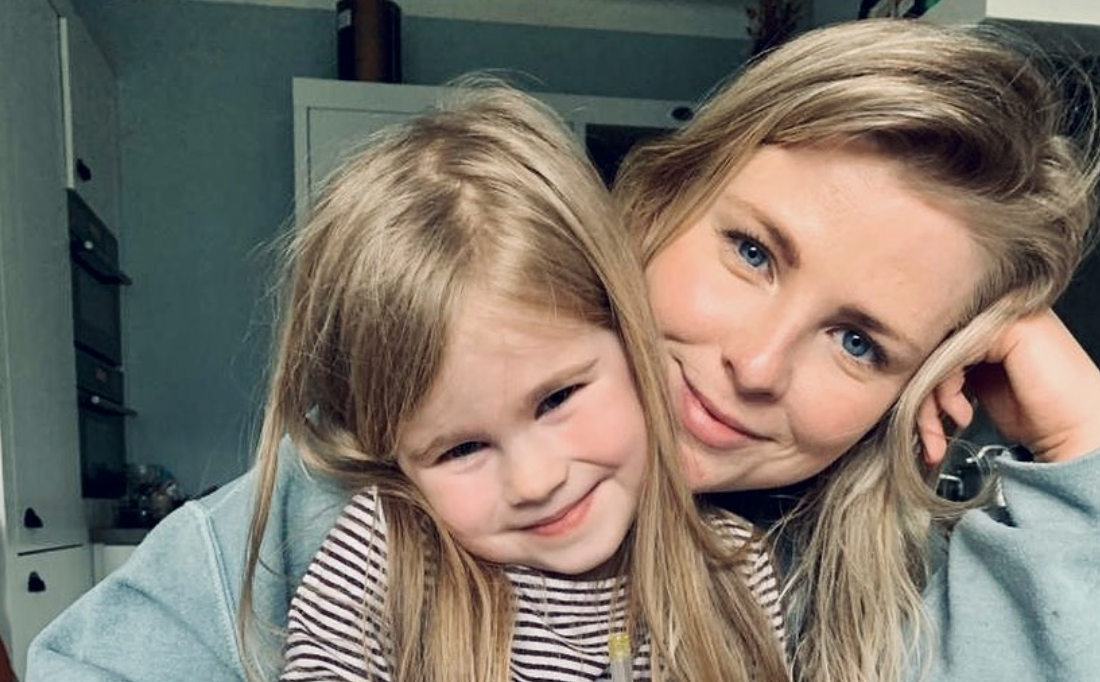
Jennifer Ewbank Embarks on EMDR Therapy After Daughter’s Traumatic Pony Accident
The journey of parenthood is often described as a mix of unparalleled joy and profound anxiety, a sentiment that Dutch singer Jennifer Ewbank knows all too well. In a candid revelation on social media, Ewbank shared her decision to begin EMDR (Eye Movement Desensitization and Reprocessing) therapy. This significant step comes months after her seven-year-old daughter, Emily, suffered a severe injury in a pony accident, an event that has left a lasting emotional impact on the entire family, particularly on Jennifer herself. Her openness sheds light on the often-unspoken struggles parents face when confronted with their child's trauma, highlighting the critical need for mental health support even after the physical wounds begin to heal.
The Traumatic Incident: A Mother's Worst Nightmare Unfolds
The harrowing incident occurred several months ago at a birthday party, an occasion typically filled with laughter and innocent fun. Emily, then just seven years old, was tragically kicked by a pony, sustaining a skull fracture. The severity of her injuries necessitated an immediate response, with a trauma helicopter rushing her to the hospital. For any parent, witnessing such an event, especially involving a young child, is an indescribable nightmare. The moments of uncertainty, the fear for a child's life, and the helplessness can leave indelible scars on the psyche.
Thankfully, Emily has been making remarkable strides in her recovery. Jennifer previously updated her followers, expressing immense relief: "Fysically, she's doing very well! She's really making progress, and she no longer feels any pain or discomfort anywhere." This positive update on Emily's physical health is undoubtedly a huge comfort, yet it underscores the often-complex nature of trauma recovery – where physical healing doesn't always equate to immediate emotional peace for those involved.
The Lingering Aftermath: Jennifer's Battle with Hyper-Vigilance and Anxiety
While Emily's physical recovery has been encouraging, Jennifer Ewbank candidly admitted that the aftermath of the accident involving Jennifer Ewbank's daughter has taken a significant toll on her own mental well-being. The initial shock and fear have evolved into a pervasive state of hyper-vigilance and acute anxiety. As she eloquently described on Instagram, "Since Emily's accident, my antennae have been on high alert every second of the day. This is incredibly exhausting." This constant state of readiness, a protective mechanism gone into overdrive, is a common symptom of post-traumatic stress, particularly in parents who have witnessed their child's near-miss or serious injury.
Jennifer shared a striking example of how this heightened state affects her daily life. She recounted an incident where her two-year-old son, Ben, jumped into a swimming pool with armbands on – a perfectly safe situation. However, in that fleeting moment, Jennifer experienced what she described as a "short circuit" in her mind. Reacting instinctually, she plunged into the water, fully clothed and with her phone, to rescue him, even though there was no actual danger. "I jumped into the water like an idiot," she reflected, acknowledging the disproportionate reaction. This moment was a stark realization that the trauma of Emily's pony kick had fundamentally altered her perception of safety, creating an overwhelming sense of dread that even benign situations could escalate into catastrophe.
This candid battle with parental trauma isn't unique to celebrities. Many parents experience similar feelings after a child's accident or severe illness, often feeling a sense of guilt, helplessness, or an intense need to control every aspect of their child's environment to prevent future harm. Jennifer's honesty also touched upon a crucial societal issue: "I also wanted to share this here after receiving some truly moving messages from others who are also struggling with this. I sometimes feel there's a taboo around being vulnerable as a parent." Her willingness to speak out helps normalize these struggles, encouraging others to acknowledge their feelings and seek help without shame.
Seeking Healing: EMDR Therapy as a Path Forward
Recognizing the profound impact the event was having on her life and her ability to function calmly, Jennifer Ewbank made the courageous decision to seek professional help. Next week, she will begin EMDR therapy, a specialized treatment designed for individuals who continue to suffer from the effects of distressing experiences like accidents, violence, or other traumatic events. EMDR therapy involves guiding the patient to recall traumatic memories while simultaneously undergoing bilateral stimulation, often through eye movements, which helps to reprocess the memory and reduce its emotional impact. The goal is not to forget the event but to diminish the intensity of the associated distress, allowing the individual to integrate the experience in a healthier way.
Jennifer expressed her hopes for the therapy: "Hoping those sharpest edges will come off, because Ben was more startled by my reaction than by the cold water." Her desire to mitigate these intense reactions and regain a sense of calm is a powerful testament to her commitment to her own well-being and, by extension, the well-being of her children. Seeking therapy for trauma, especially as a parent, is a proactive step towards processing pain and preventing it from overshadowing daily life.
Understanding Parental Trauma and Post-Traumatic Stress
Jennifer Ewbank's experience highlights a crucial aspect of trauma: it's not just the direct victim who suffers. Parents, as primary caregivers and protectors, often experience secondary or vicarious trauma when their child faces a life-threatening or deeply distressing event. This phenomenon, sometimes referred to as 'parental PTSD,' can manifest in various ways:
- Hyper-vigilance: A constant state of alertness, anticipating danger even in safe environments.
- Intrusive Thoughts: Flashbacks, nightmares, or recurring distressing memories of the event.
- Avoidance: Steering clear of situations, places, or conversations that remind them of the trauma.
- Emotional Numbness: Difficulty experiencing positive emotions, feeling detached from others.
- Irritability and Anxiety: Increased edginess, difficulty sleeping, or panic attacks.
It's vital for parents experiencing these symptoms to understand that their reactions are valid and a natural response to an unnatural event. Recognizing these signs is the first step towards healing. Seeking support from mental health professionals, like Jennifer Ewbank is doing with EMDR therapy, can provide effective strategies for processing the trauma and developing healthier coping mechanisms.
Tips for Parents Experiencing Trauma After a Child's Accident:
- Acknowledge Your Feelings: It's okay to feel overwhelmed, scared, or even angry. Suppressing these emotions can prolong the healing process.
- Seek Professional Help: Therapists specializing in trauma, like those offering EMDR, CBT, or talk therapy, can provide tailored support. Don't hesitate to reach out.
- Talk to Others: Share your experiences with trusted friends, family, or support groups. Jennifer's Instagram post shows the power of shared vulnerability.
- Prioritize Self-Care: Even small acts like getting enough sleep, eating nutritious food, engaging in hobbies, or mindfulness can make a difference.
- Set Boundaries: If certain conversations or media trigger your anxiety, it's okay to limit your exposure.
- Focus on the Present: While acknowledging the past, try to ground yourself in the present moment, especially when your child is safe and well.
Jennifer's story serves as a powerful reminder that taking care of one's mental health is not a luxury but a necessity, especially when navigating the complexities of trauma as a parent.
Jennifer Ewbank’s courageous decision to openly share her struggles and embark on EMDR therapy following her daughter Emily's traumatic pony accident offers invaluable insight into the hidden battles many parents face. While Emily continues her impressive physical recovery, Jennifer's journey underscores that the emotional aftermath of such events can be profound and long-lasting. By seeking help and speaking out against the taboo of parental vulnerability, Jennifer not only prioritizes her own well-being but also empowers countless others to acknowledge their pain and pursue the healing they deserve. Her story is a testament to resilience, the power of seeking professional support, and the enduring strength of a mother's love.